Best Practices
Solid waste management unit
700 kgof waste collected every day
1 tonneof manure every 45 days
- On average, the park collects over 700 kg of waste every day, including dried leaves, green waste, food waste and animal waste.
- The waste is collected every morning and taken to the solid waste management unit.
- 10 primary and 10 secondary platforms are set up. The unit generates 1 tonne of manure every 45 days.

100% plastic-free zone
3.40 lakhplastic water bottles tracked every year
Rs 10refundable deposit per bottle
- A plastic bottle stickering system was introduced recently: every plastic PET bottle that enters the zoo is stickered, and a refundable caution deposit of Rs 10 is collected from visitors.
- Used plastic water bottles are properly segregated and disposed of. On average, over 3.40 lakh plastic water bottles enter the zoo every year.
- Plastic deposit stations are placed at various locations inside the park.
- The use of plastic is completely banned inside the zoo, keeping the campus 100% plastic-free.

Sustainable practices
We ensure the empowerment of sustainable practices: feeding the zoo's animals from its own land, water and ponds.
In-house fodder plot
1,300 kg of fodder harvested on average
- The park has an in-house fodder plot that provides an adequate quantity of fodder for the zoo's animals. On average, 1,300 kg of fodder is harvested from the plot.
- The fodder is free of pesticides and chemicals. The soil is enriched with natural manure made from the organic waste of zoo animals.
- Crops such as CO3, CO4, para grass, super napier, sorghum and China grass are cultivated on over 5 hectares of land at two locations with sufficient water facilities.
Water management system
7 lakh litres of water needed per day
- The zoo requires 7 lakh litres of water per day on average.
- Water sources include open wells, bore wells, overhead tanks, a lake and percolation ponds.
- Palar water is also received through pipelines.
- The zoo maintains the underground water level through proper upkeep of the percolation ponds and other water sources.
- Periodic water analysis is carried out in a licensed laboratory.
Fish culture
Live freshwater fish for birds and crocodiles
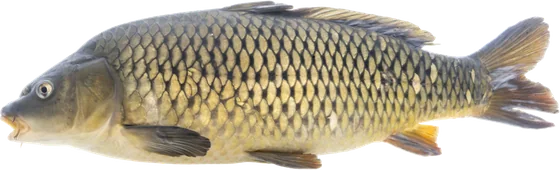
- To feed the water birds and crocodiles, AAZP ensures that its animals get live freshwater fish.
- Since last year, the park has also cultured tilapia fish in the wet moat enclosures and deep water troughs.
Fruit orchard
3 more orchard locations planned
- The park has an in-house fruit orchard that provides fresh fruit to the zoo's animals.
- Mango, jamun, guava, sapota, coconut, jackfruit, palm, banana and greens are grown in the orchard. The zoo is expanding it to three more locations to increase productivity.
Plastic banned zone
Zerotolerance to plastic
- From biodegradable waste to fodder banks, and from manure to the zoo's trees and lawns.
- Zero tolerance to plastic.
- A dedicated team for waste management.
- Effective animal feed management.
- Visitors are screened for plastics at the entrance, and plastic bags are replaced with paper bags.
- Biodegradable and non-biodegradable waste is separated and carefully disposed of in the waste decomposition yard.
- Feed is carried in green plastic tubs, and waste is carried away in red bins.
- Raised stainless steel feed and water troughs, covered with roof sheets, are provided for all herbivores to avoid contamination of feed.

Security
602 haguarded day and night
A dedicated security squad takes care of the zoo's safety.
- Daily night patrol by the Range Officer and team.
- The 602-hectare zoo is bounded by strong, tall walls.
- The 602-hectare zoo holds priceless property and rare and endangered animals.
- Security is mainly handled by forest subordinate staff (Rangers, Foresters and Forest Guards) together with the zoo's security staff.
- The zoo is bounded by a wall on all sides.
- Security staff regularly patrol the animal enclosures, stores and other buildings, and special night patrol parties are deployed to safeguard zoo property.
- Night security is carried out daily under a Range Officer and subordinate staff.
Carbon neutral zone
The park ensures the zoo is a carbon neutral zone: getting around runs on batteries, pedals and feet, and the lights run on the sun.
Battery operated vehicles
~2,000 visitors
The park provides battery operated vehicles (BOVs) for visitors to go around the zoo, and has recently added more of them for visitors' convenience. Around 2,000 visitors use this facility.
Cycles and e-cycles
For hire
Visitors can hire cycles and e-cycles to go around the zoo.
Walking
Most visitors
The majority of visitors prefer to explore the zoo on foot.
Solar street lights
~150 lights
Around 150 solar lights are placed in the major areas of the zoo.
Solar fencing
Bears, wolves, chimpanzees
To strengthen security, solar fencing is provided at the enclosures for bears, wolves and chimpanzees.

Rainwater harvesting
28rainwater harvesting structures
21ponds holding the water table
- The zoo is self-reliant in meeting its own water needs.
- Effective rainwater harvesting mechanisms.
- The entire water requirement of 6 lakh litres per day, including three dedicated fodder banks, is met from sources within the zoo.
- An extensive network of 28 rainwater harvesting structures captures all the rain that falls on the zoo.
- 21 ponds have been created in the zoo to raise and retain the water level.

CCTV surveillance system
302surveillance cameras
7.5 crorelive-stream views so far
- 24/7 active surveillance of animals and visitors, ensuring safety.
- 302 surveillance cameras are placed at various locations inside the zoo to monitor visitors and animal behaviour.
- AAZP is the only zoo that live-streams 15 animal enclosures 24/7, free of cost.
- Lion, tiger, elephant, leopard, Indian gaur, hippopotamus, sloth bear, chimpanzee, crocodile, lion-tailed macaque, Nilgiri langur and king cobra are live-streamed from their enclosures.
- The streams have recorded 7.5 crore views so far.
Zoo E-Eye
305cameras watching over animal health
Firstsuch system in India
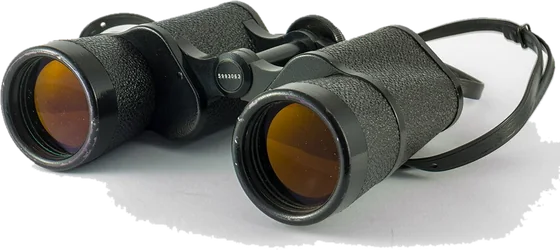
- An extensive set of 305 surveillance cameras is used for crowd control, security and, most importantly, monitoring the health and safety of the animals.
- For the first time in India, AAZP, an ex-situ centre, has developed such robust round-the-clock monitoring of animals through this system.
- Animal monitoring and visitor surveillance are the two major parts of the system. Monitoring through it helps keep the environment stress-free for the zoo's animals.
Periodic & seasonal enrichment
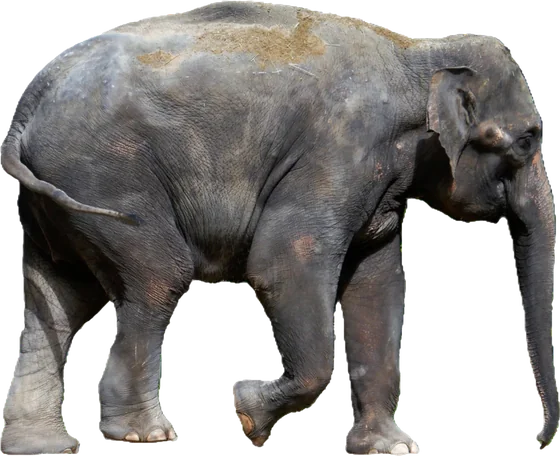
Periodic and seasonal enrichment is provided for the zoo's animals to support the mental and physical health of captive species, by encouraging the behaviours they would show in the wild.